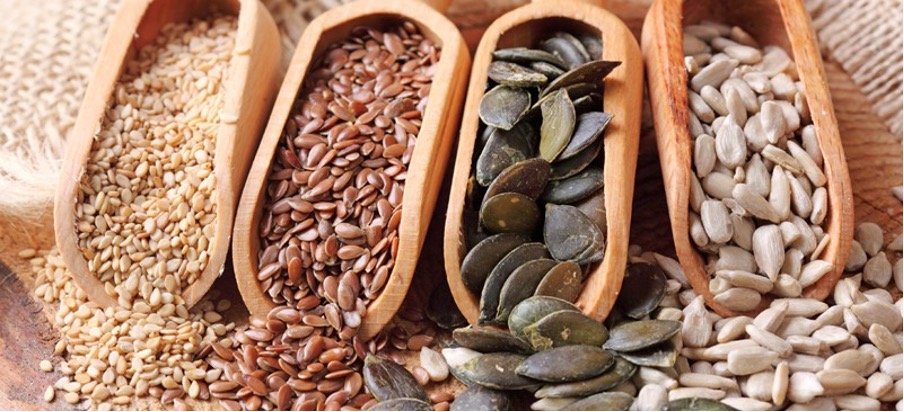
Seeds are a versatile ingredient that can be used to add a quick pop of texture and nutrition to nearly any meal.
From chia seed pudding to roasted pumpkin seeds to pine nut pesto and beyond, there are endless ways to squeeze in your daily dose of the healthiest seeds while bumping up your intake of protein, fiber and heart-healthy fats.
Certain types of seeds are actually considered pseudocereal grains and are often used similarly to grains. Quinoa and chia seeds, for instance, are technically seeds but classified as pseudocereal grains as well.
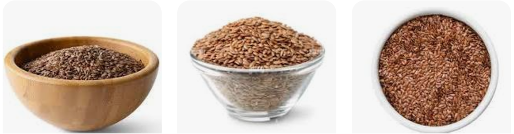
Seeds are both high-fiber and high in protein, both key to promoting healthy weight loss. Fiber moves through the digestive tract slowly to help keep you feeling fuller for longer. Protein works to decrease levels of ghrelin, the hormone that stimulates feelings of hunger.
The healthiest seeds are typically high in dietary fiber, which plays a central role in digestive health. Fiber adds bulk to the stool to promote regularity and has been shown to protect against issues like hemorrhoids, diverticulitis, and constipation.
The fiber found in seeds helps slow the absorption of sugar in the bloodstream, stabilizing blood sugar levels. Certain types of seeds, such as flaxseed, have also been shown to improve insulin sensitivity.
Most seeds are packed with manganese, which acts as a powerful antioxidant to fight free radicals and protect cells against oxidative damage. This can be especially beneficial in the prevention of conditions such as cancer, heart disease and diabetes.
Adding a few servings of seeds into your diet can bump up plant-based protein intake. Protein is vital to wound healing, immune function, muscle growth and more. Most varieties offer around 5 to 10 grams of protein per serving.
Seeds supply a wide range of micronutrients. Hemp seeds are a great source of manganese and vitamin E, while sesame seeds are rich in copper and calcium. All seeds are excellent additions to a healthy, balanced diet.
Adding a variety of seeds to your diet is an easy way to squeeze some extra nutrients into your day. Tap any seed to learn more.
Flaxseeds are a great source of protein and fiber, as well as key micronutrients like manganese, thiamine, and magnesium.
Two tablespoons of whole/unground flaxseed contains about:
| Nutrient | Amount | % DV |
|---|---|---|
| Calories | 110 | - |
| Carbohydrates | 6 g | - |
| Fiber | 6 g | - |
| Fat | 8.5 g | - |
| Protein | 4 g | - |
| Manganese | 0.6 mg | 26% |
| Thiamine (B1) | 0.4 mg | 22% |
| Magnesium | 80 mg | 20% |
| Phosphorus | 132 mg | 14% |
| Copper | 0.2 mg | 12% |
| Selenium | 5 mcg | 8% |
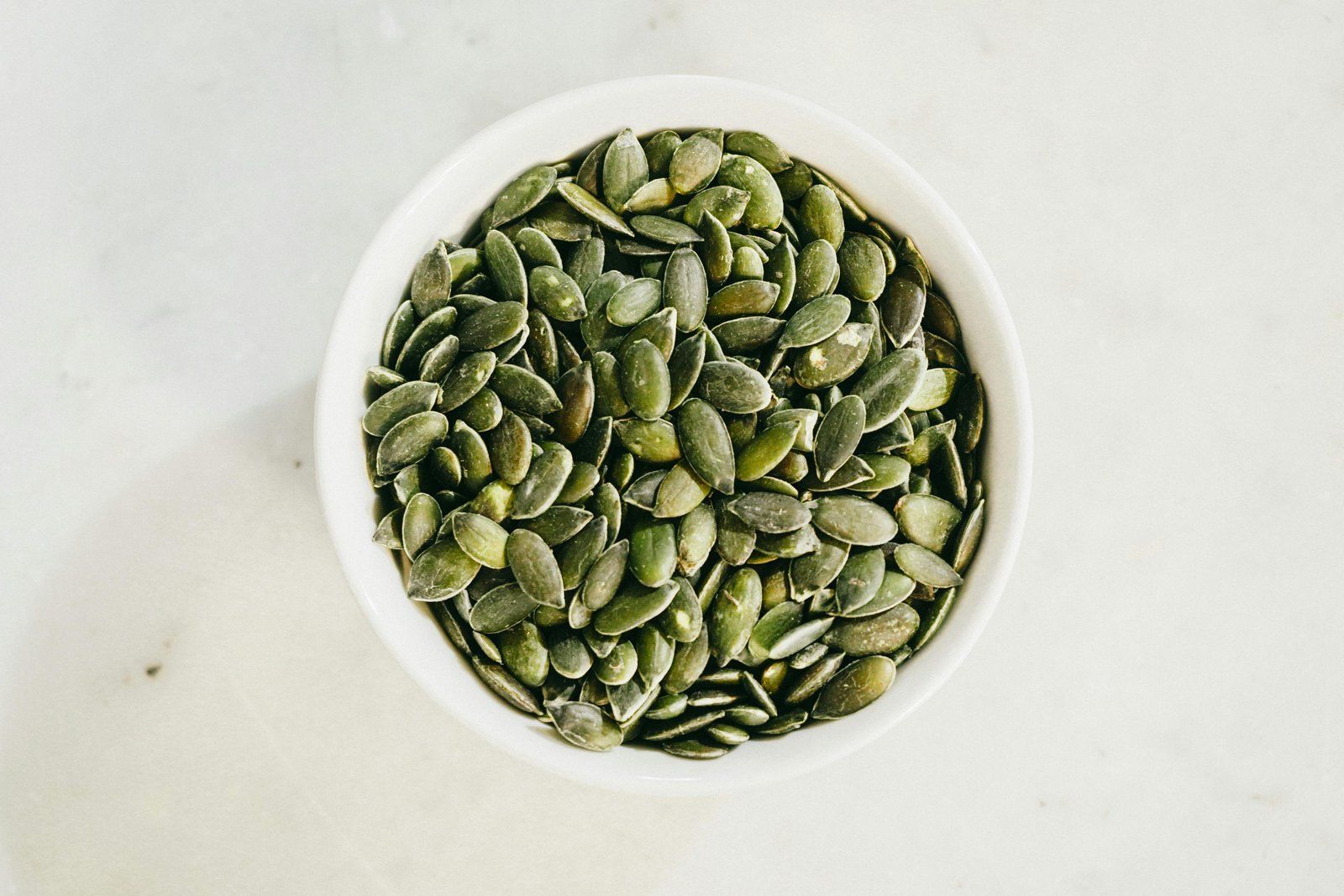
Not only are pumpkin seeds high in healthy fats and protein, but they're also rich in manganese, magnesium, and phosphorus.
One ounce (28g) of dried, hulled pumpkin seeds contains:
| Nutrient | Amount | % DV |
|---|---|---|
| Calories | 163 | - |
| Carbohydrates | 4.2 g | - |
| Fiber | 1.8 g | - |
| Fat | 13.9 g | - |
| Protein | 8.5 g | - |
| Manganese | 0.9 mg | 43% |
| Magnesium | 151 mg | 38% |
| Phosphorus | 332 mg | 33% |
| Iron | 4.2 mg | 23% |
| Copper | 0.4 mg | 20% |
| Vitamin K | 14.5 mcg | 18% |
| Zinc | 2.1 mg | 14% |
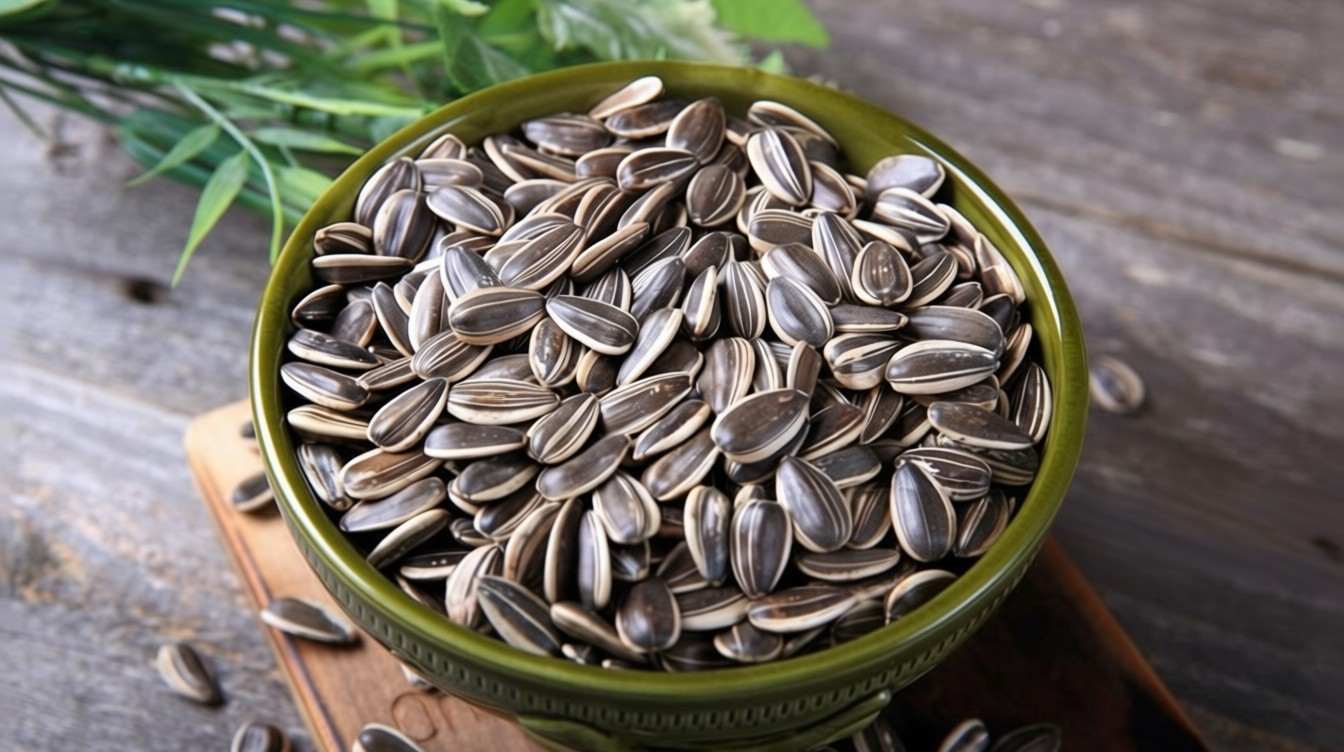
Adding sunflower seeds to your diet is an easy way to boost your intake of vitamin E, thiamine, and manganese.
One cup (46g) of dried sunflower seeds contains:
| Nutrient | Amount | % DV |
|---|---|---|
| Calories | 269 | - |
| Carbohydrates | 9.2 g | - |
| Fiber | 4 g | - |
| Fat | 23.7 g | - |
| Protein | 9.6 g | - |
| Vitamin E | 15.3 mg | 76% |
| Thiamine | 0.7 mg | 45% |
| Manganese | 0.9 mg | 45% |
| Copper | 0.8 mg | 41% |
| Magnesium | 150 mg | 37% |
| Selenium | 24.4 mcg | 35% |
| Vitamin B6 | 0.6 mg | 31% |
| Phosphorus | 304 mg | 30% |
| Folate | 104 mcg | 26% |
| Niacin | 3.8 mg | 19% |
| Zinc | 2.3 mg | 15% |
| Iron | 2.4 mg | 13% |
| Riboflavin | 0.2 mg | 10% |
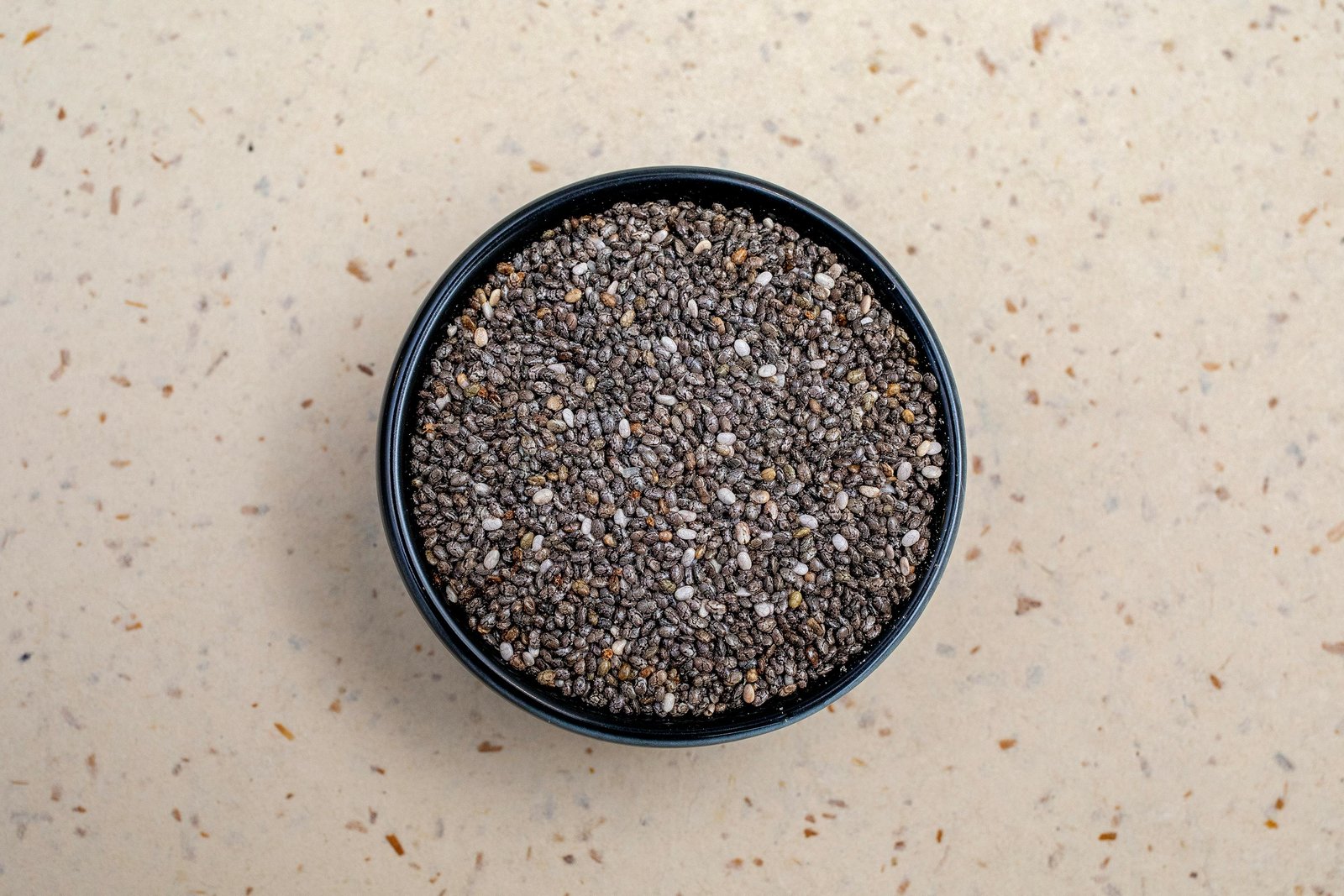
Compared to other types of seeds, chia seeds are one of the best sources of fiber available. They also supply a good amount of manganese, phosphorus, calcium, protein and heart-healthy fats.
One ounce (28.4g) of dried chia seeds contains:
| Nutrient | Amount | % DV |
|---|---|---|
| Calories | 137 | - |
| Carbohydrates | 11.9 g | - |
| Fiber | 9.8 g | - |
| Fat | 8.7 g | - |
| Protein | 4.7 g | - |
| Manganese | 0.8 mg | 35% |
| Copper | 0.3 mg | 33% |
| Phosphorus | 244 mg | 20% |
| Calcium | 179 mg | 14% |
| Zinc | 1.3 mg | 12% |
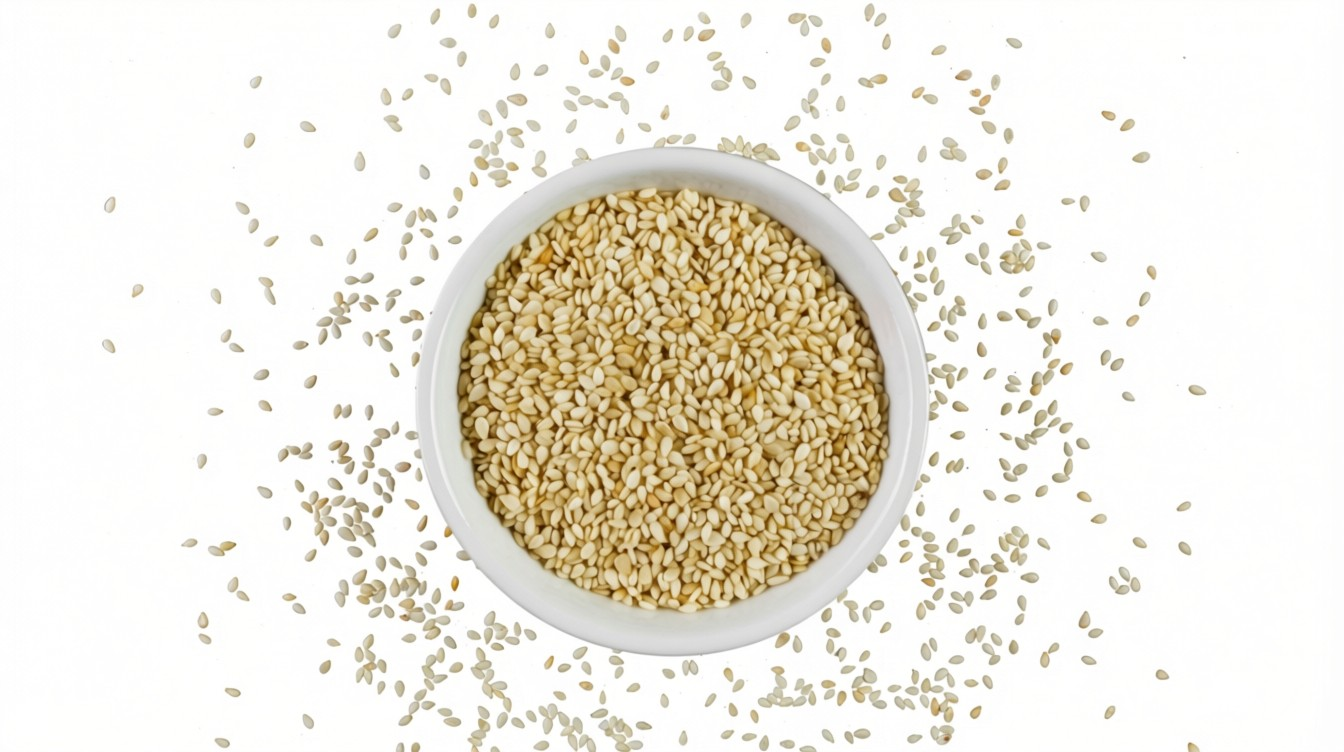
Sesame seeds are bursting with important vitamins and minerals, such as copper, manganese, calcium, and magnesium.
One tablespoon (9g) of dried, whole sesame seeds contains:
| Nutrient | Amount | % DV |
|---|---|---|
| Calories | 51.6 | - |
| Carbohydrates | 2.1 g | - |
| Fiber | 1.1 g | - |
| Fat | 4.5 g | - |
| Protein | 1.6 g | - |
| Copper | 0.4 mg | 18% |
| Manganese | 0.2 mg | 11% |
| Calcium | 87.8 mg | 9% |
| Magnesium | 31.6 mg | 8% |
| Iron | 1.3 mg | 7% |
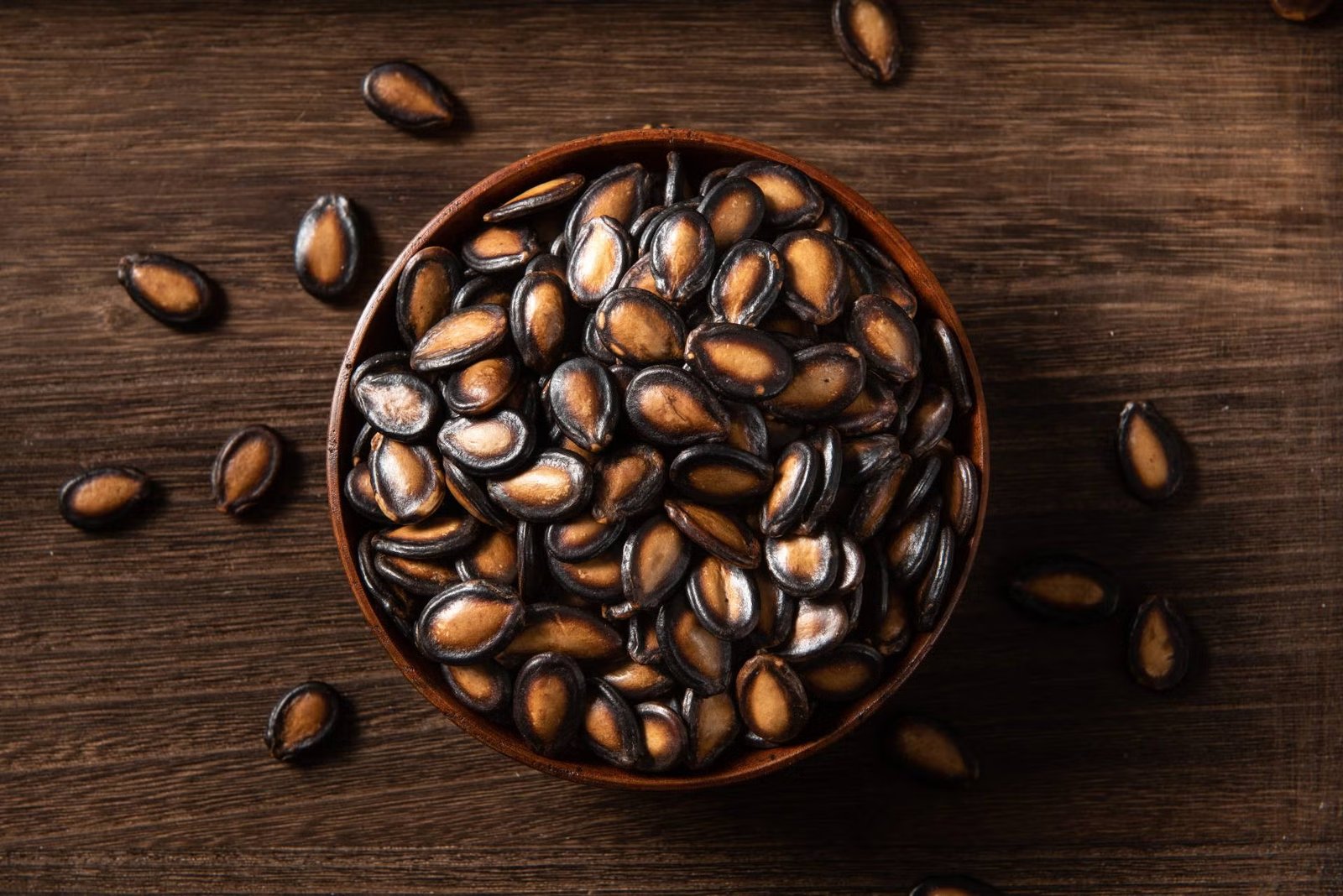
Watermelon seeds are a powerhouse of nutrients like folate, iron, zinc, copper, magnesium, potassium, and powerful antioxidants. They help boost immunity.
Nutritional content per 100g serving:
| Nutrient | Amount |
|---|---|
| Total Fat | 51.16 g |
| Protein | 30.6 g |
| Carbohydrate | 16.53 g |
| Energy | 601.56 kcal |
| Calcium (Ca) | 58.32 mg |
| Iron (Fe) | 7.86 mg |
| Magnesium (Mg) | 556.2 mg |
| Phosphorus (P) | 815.4 mg |
| Potassium (K) | 699.84 mg |
| Sodium (Na) | 106.92 mg |
| Zinc (Zn) | 11.06 mg |
| Copper (Cu) | 0.74 mg |
| Manganese (Mn) | 1.74 mg |
| Thiamin | 0.21 mg |
| Riboflavin | 0.16 mg |
| Niacin | 3.83 mg |
| Pantothenic acid | 0.37 mg |
| Vitamin B-6 | 0.1 mg |
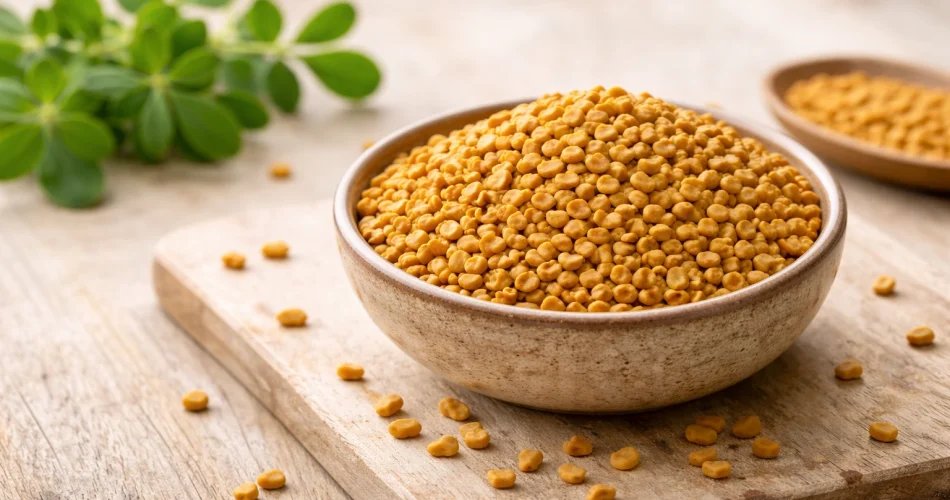
Fenugreek seeds smell and taste like maple syrup, and have been used in cooking and as medicine. They contain a good amount of fiber and minerals, including iron and manganese.
Per 100 grams of fenugreek seeds:
| Nutrient | Amount | % DV |
|---|---|---|
| Calories | 323 | - |
| Total Fat | 6 g | 9% |
| Saturated Fat | 1.5 g | 7% |
| Cholesterol | 0 mg | 0% |
| Sodium | 67 mg | 2% |
| Potassium | 770 mg | 22% |
| Total Carbohydrate | 58 g | 19% |
| Dietary Fiber | 25 g | 100% |
| Protein | 23 g | 46% |
| Vitamin C | - | 5% |
| Iron | - | 186% |
| Vitamin B6 | - | 30% |
| Magnesium | - | 47% |
| Calcium | - | 17% |
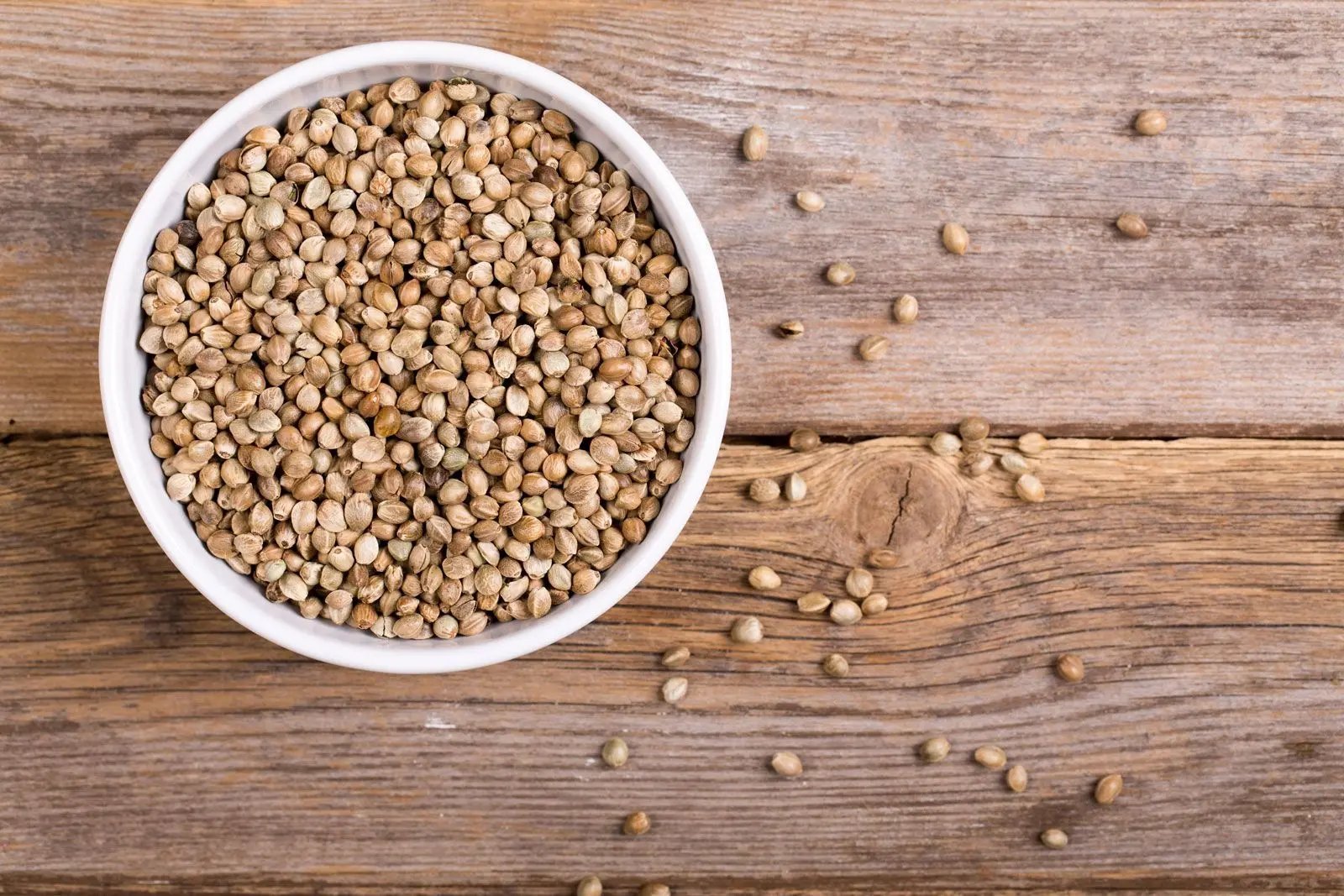
Hemp seeds are a complete protein source, containing all nine essential amino acids. They're also rich in healthy fats, particularly omega-3 and omega-6 fatty acids, and are an excellent source of vitamin E and minerals like manganese and magnesium.
Three tablespoons (30g) of hulled hemp seeds contain approximately:
| Nutrient | Amount | % DV |
|---|---|---|
| Calories | 166 | - |
| Protein | 9.5 g | - |
| Fat | 14.6 g | - |
| Carbohydrates | 2.6 g | - |
| Fiber | 1.2 g | - |
| Manganese | 2.8 mg | 120% |
| Vitamin E | 0.4 mg | 15% |
| Magnesium | 210 mg | 50% |
| Phosphorus | 495 mg | 40% |
| Zinc | 3 mg | 27% |
| Iron | 2.4 mg | 13% |